
In a previous posts, I have argued that climate change is a safeguarding issue. It still amazes me that so many school policies overlook climate as a risk to children’s wellbeing and access to education. Since stepping into my role with the DfE‑funded Climate Ambassadors scheme, I’ve been helping schools translate that conviction into practical action—linking climate literacy with safeguarding in a way that feels feasible, not frightening.
A year with Drake Primary School shows what this looks like when it’s done well: a whole‑school approach that starts with a plan, grows through pupil voice and staff confidence, and matures into culture—curriculum, campus, community and, crucially, safeguarding.
Laying the Foundations: A Plan Built on Four Pillars
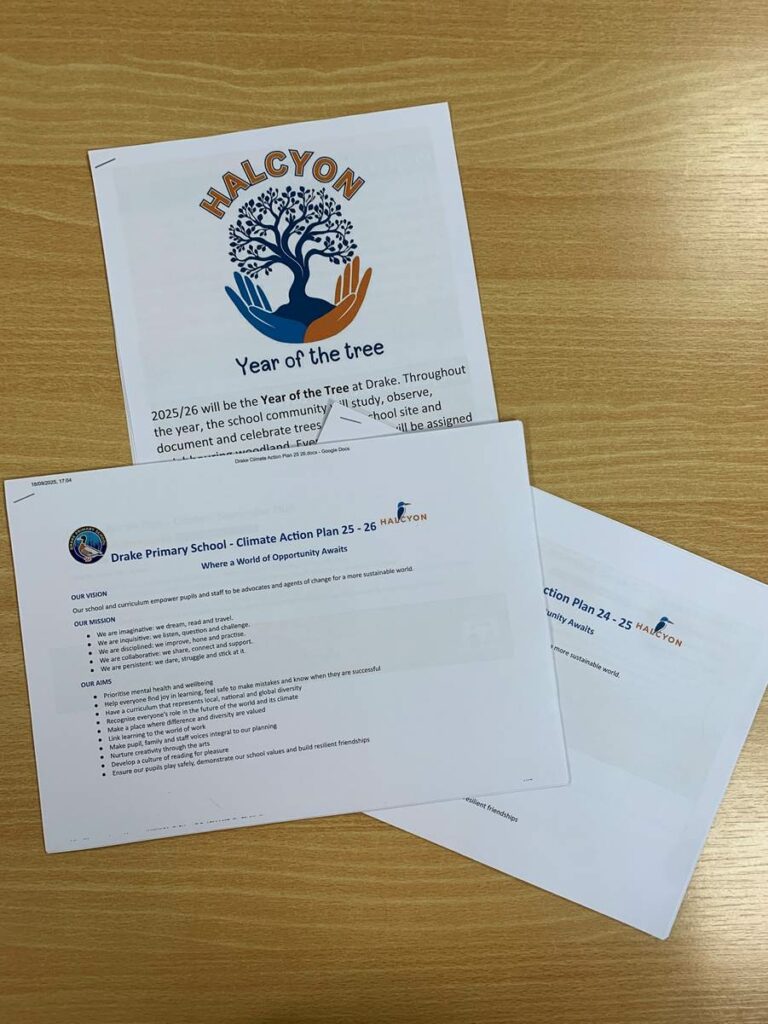
Drake’s Climate Action Plan (CAP) is structured across the four pillars: decarbonisation, adaptation & resilience, biodiversity, and climate education. That balance matters. It ensures the work isn’t reduced to kilowatt hours and capital bids; it centres pupils’ learning, place‑based nature connection, and pastoral care.
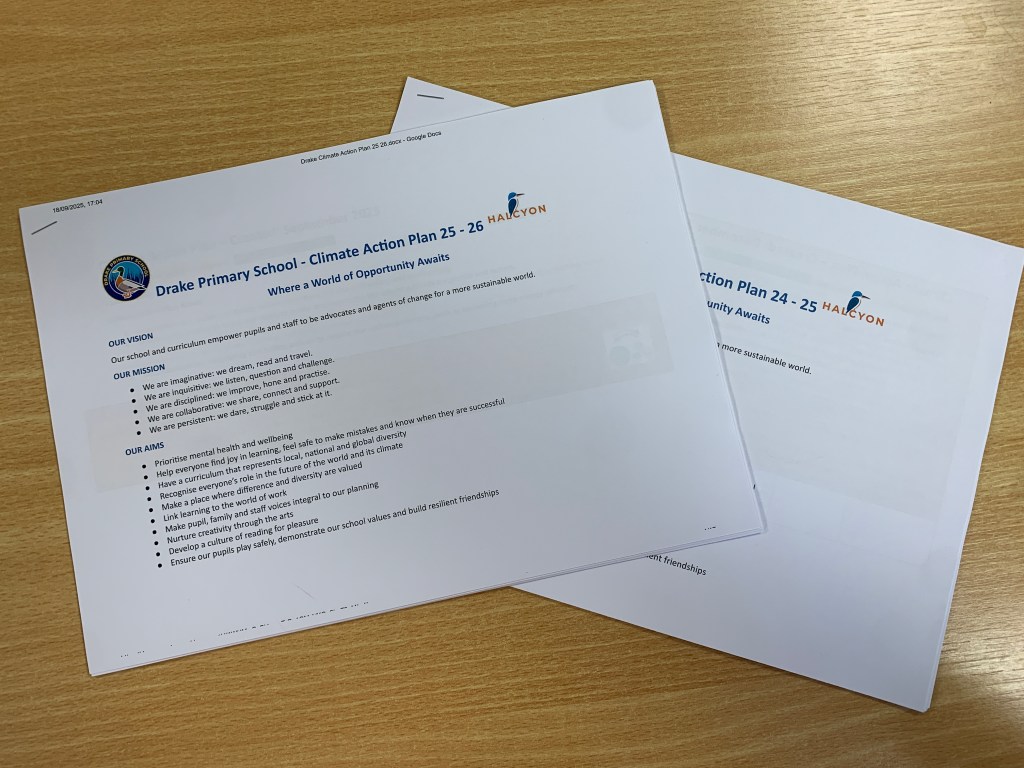
“Support from school leadership is key to achieving sustainability goals. From the outset, Drake Primary school leaders prioritised sustainability, ensuring staff had the capacity and resources to work on their Climate Action Plan with Let’s Go Zero.”
— Luciana de Almeida, Climate Action Advisor
Quick wins built momentum. After analysing out‑of‑hours energy use, Drake found heavy evening consumption. Simple steps—putting iPad charging banks and printers on timers—saved energy and became pupil‑led STEM learning: auditing equipment, measuring use, and linking the findings into maths and science.
Where Climate Meets Safeguarding: Adaptation & Resilience
My work with Drake focused on adaptation & resilience—linking the CAP to statutory safeguarding responsibilities. Together, we audited their safeguarding policy through a climate lens, looking at risks from flooding, overheating, and extreme cold, and reflecting on categories such as Mental Health & Wellbeing and Community Engagement.
“Drake decided that the next step would be to evaluate their current safeguarding policies with the aim to make them more ‘climate literate’.”
— Kit Marie Rackley, Climate Ambassadors Regional Hub Manager
This isn’t box‑ticking. It’s safeguarding in the climate crisis era: risk assessment, pastoral care, and continuity of learning reframed for new realities.
Deep Roots: Biodiversity and Climate Education
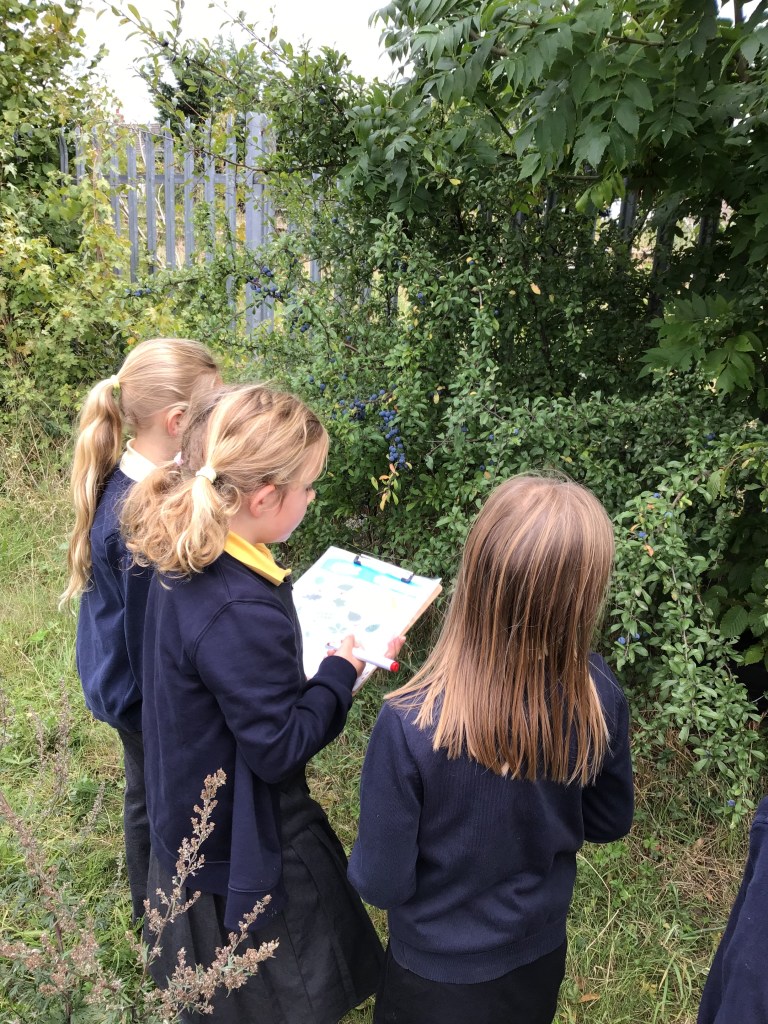
With the National Education Nature Park, Drake strengthened both biodiversity action and climate education. Year 3 took on the Hidden Nature Challenge and staff, with support from Regional Officer Jenna Gilmour, used the site mapping activities to understand what lives and grows on site and where the opportunities are.
“Drake have already made some amazing changes to their site, such as the wildlife pond and gardening area, all with the purpose of connecting their students to nature.”
— Jenna Gilmour, Nature Park Regional Officer
Crucially, Drake are also tending to the emotional side of climate education—encouraging self‑regulation, opening spaces for staff and pupils to process feelings, and addressing eco‑anxiety.
One Year On: From Vision to Reality
Twelve months later, the progress is tangible—and teachable.
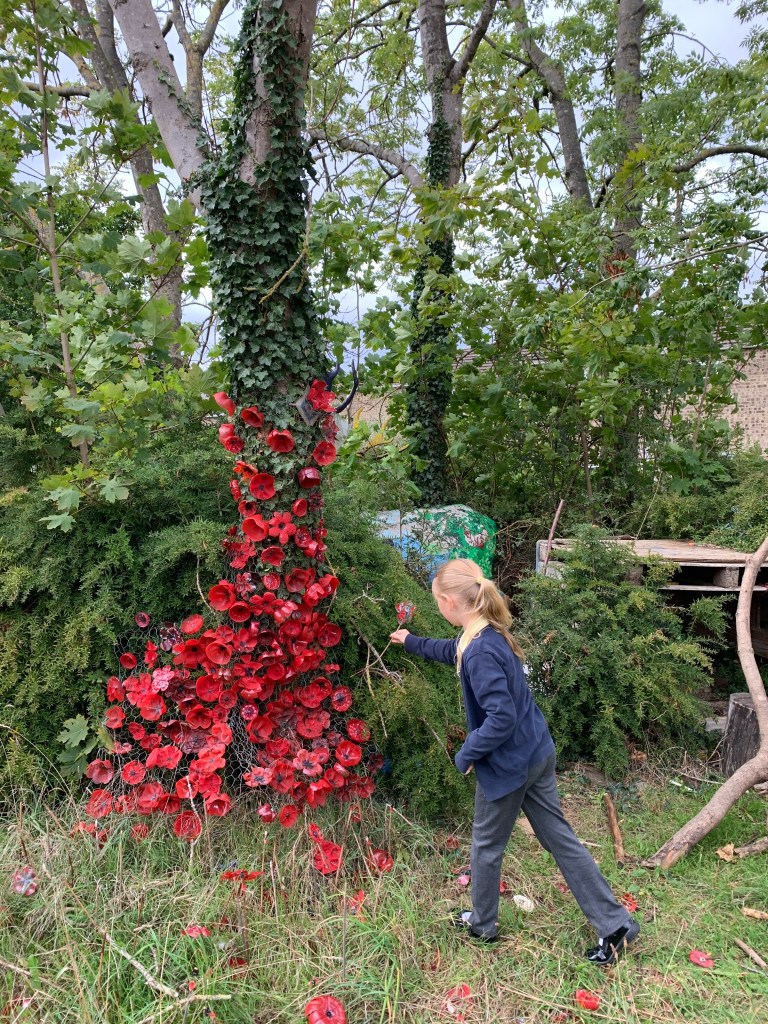
- A wetland and pond area, with mini solar panels powering the pump
- New hedgerows and trees providing shelter and food for wildlife
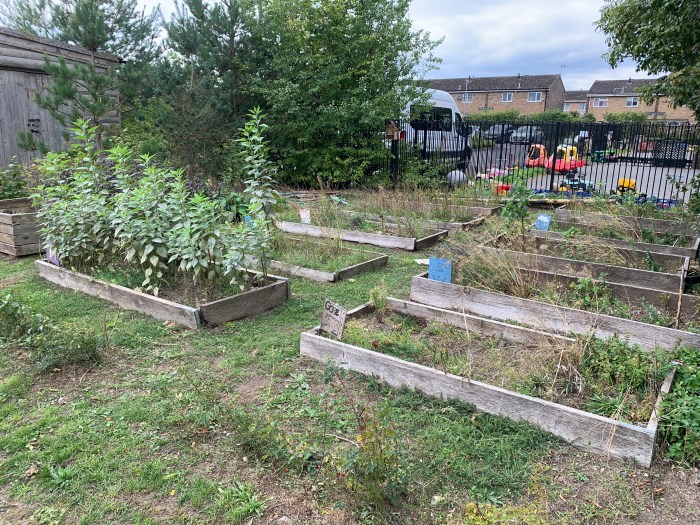
- An allotment where pupils grow produce
- Solar panels on the school roof and even electric minibuses
“It was wonderful to visit Drake Primary and see how many habitats have been improved and installed… alongside wider sustainability measures like solar panels and electric minibuses.”
— Dr Jess Tipton, Head of the National Education Nature Park
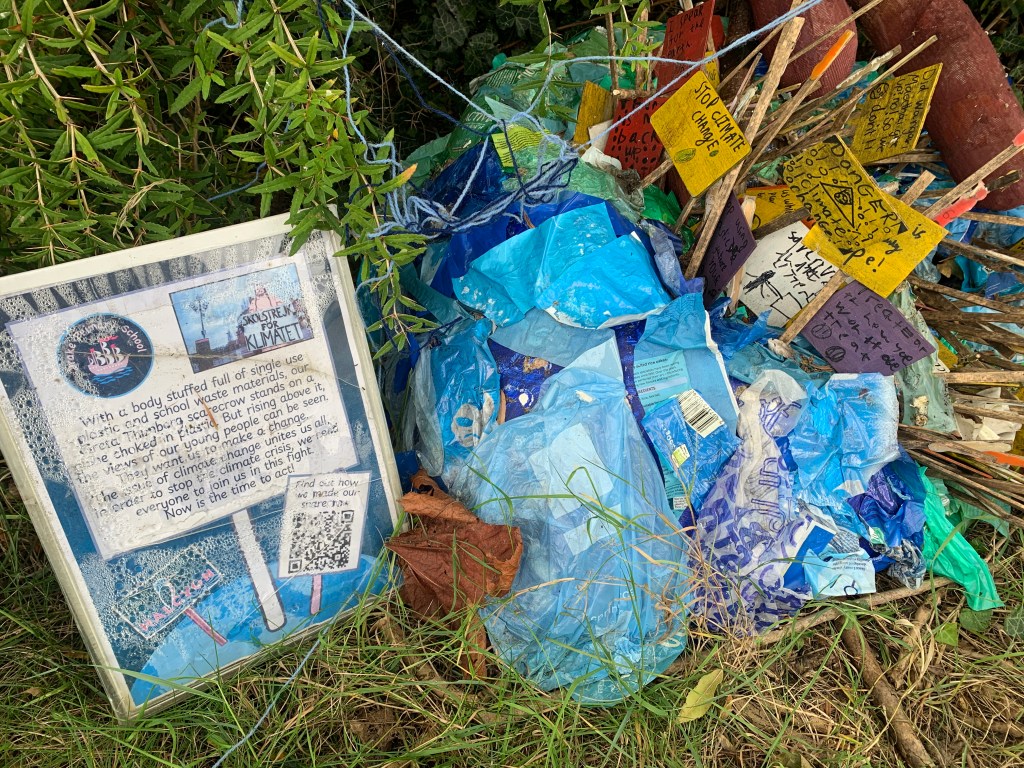
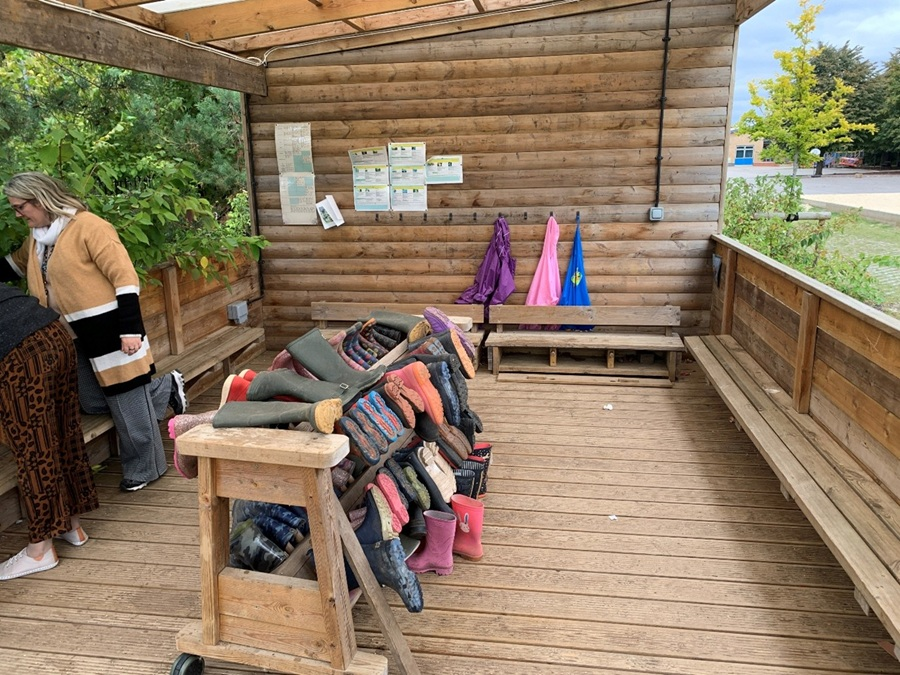
Pupil voice shines. Children confidently identify tree species, explain biodiversity, and even discuss ash dieback. Outdoor classrooms and curated texts embed sustainability across subjects, not as an add‑on but as a thread.

The Next Chapter: The Year of the Tree
For 2025/26, Drake are launching a whole‑school Year of the Tree:
- Each year group will adopt a tree, exploring it through science, art, and creative projects
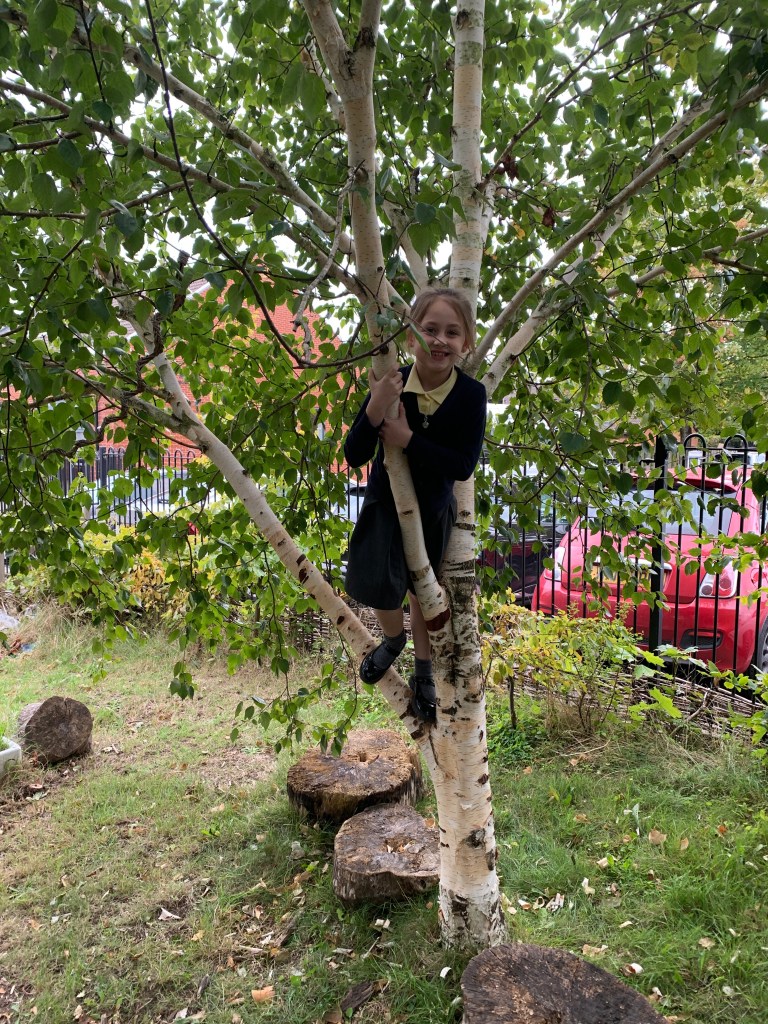
- The Halcyon Forest Project, inspired by a challenge from Chris Packham, invites every pupil to name, plant, and care for their own tree
- The year culminates in a Sustainability Showcase at the Royal Norfolk Show
This isn’t just about trees. It’s about deepening nature connection, supporting wellbeing, and embedding sustainability in a way that excites and empowers.
Why This Matters for Safeguarding
If I distilled Drake’s learning for DSLs, heads, and governors:
- Name climate as a safeguarding risk
- Embed it in governance
- Cross‑link CAP ↔ Safeguarding
- Empower pupil voice
- Make the campus a classroom
- Plan for emotions, not just emissions
Practical Starting Checklist
Governance & Policy
- Appoint a sustainability governor
- Add a climate risk statement to your safeguarding policy
- Map local climate hazards into emergency plans
People & Pastoral
- Train DSLs on eco‑anxiety
- Establish clear family communication pathways
Curriculum & Pupil Voice
- Use Nature Park activities
- Run a pupil‑led energy audit
- Plan an annual BioBlitz
Estates & Operations
- Analyse out‑of‑hours energy use
- Identify low‑cost heat and ventilation strategies
Want Support?
If you’re in England, you can request help through the Climate Ambassadors scheme (via STEM Learning) to audit your safeguarding policy for climate literacy, strengthen your CAP, or plan pupil‑led actions. If you don’t have a STEM account, get in touch via my Contact page.
Read the case studies:
- https://climateambassadors.org.uk/case-studies/drake-primary-schools-sustainability-journey/
- https://climateambassadors.org.uk/case-studies/drake-primarys-growing-sustainability-journey/
Previous post:
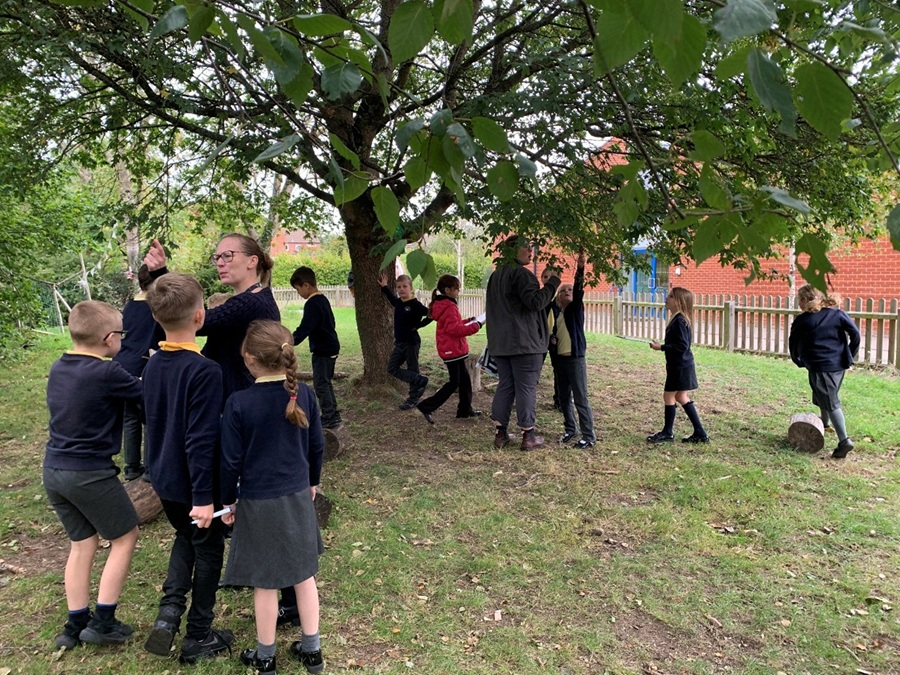
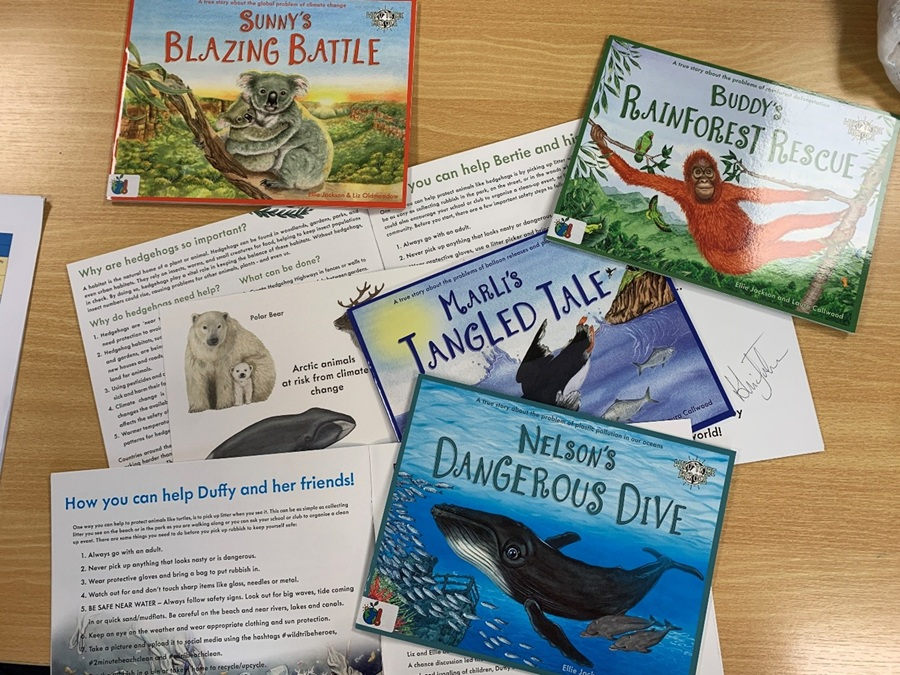
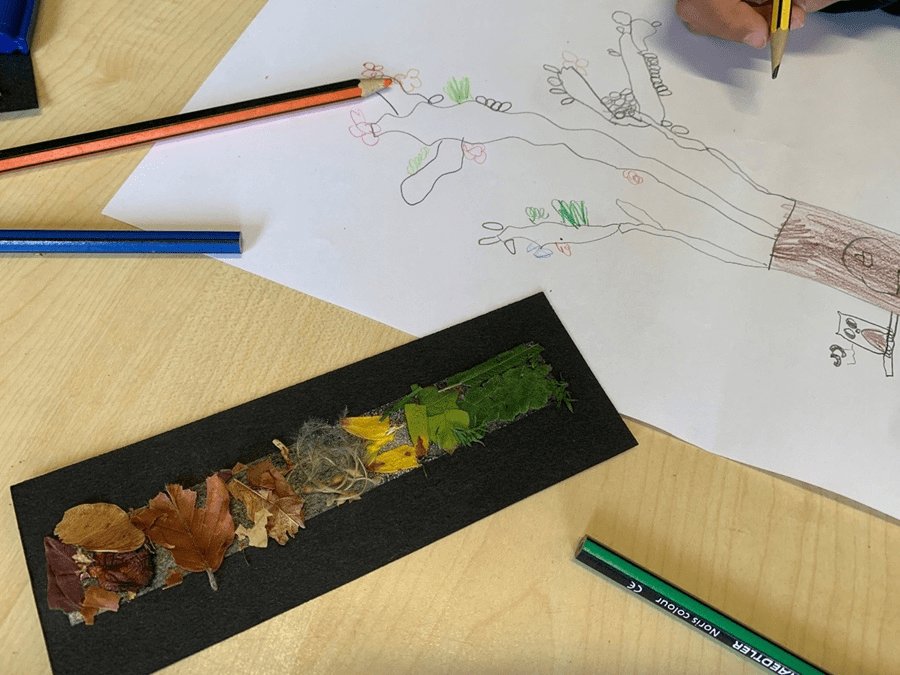
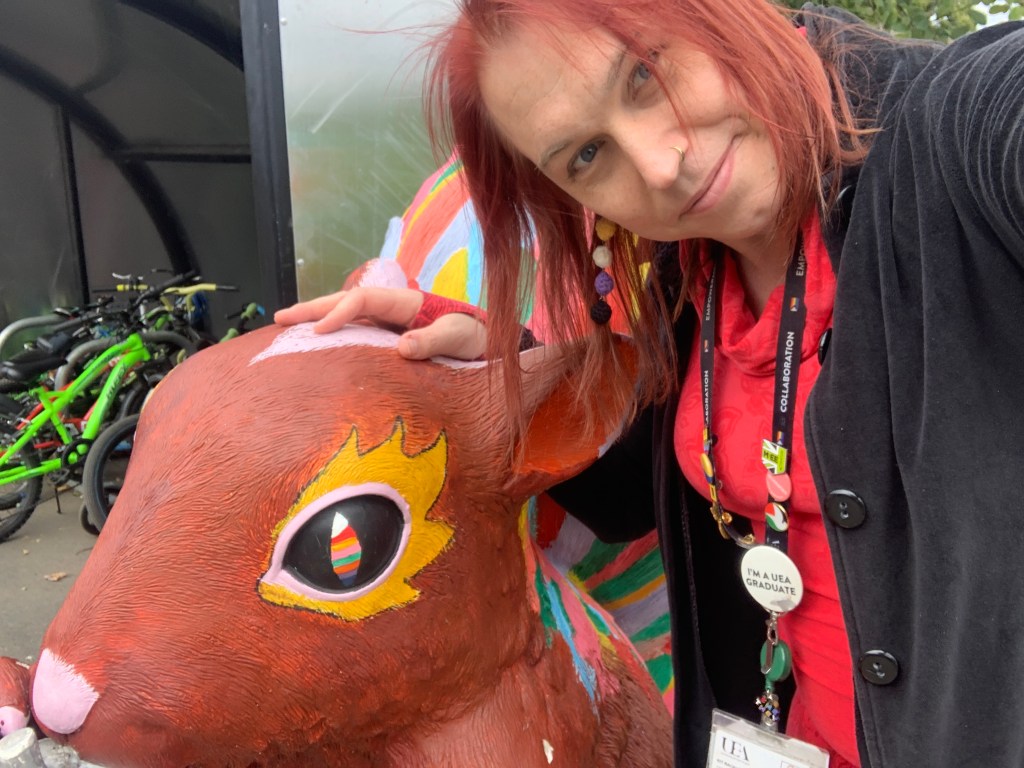
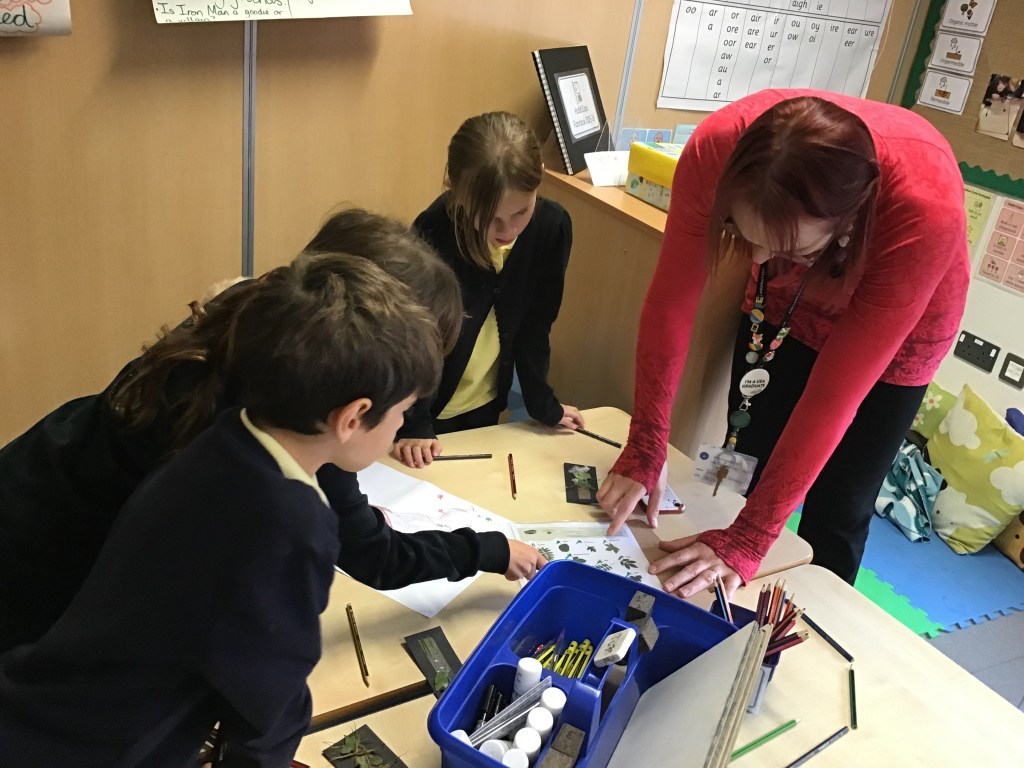
Many thanks to the Sustainability co-leads Danielle Ware and Sara Farish at Drake Primary School for having myself, Jess Tipton (Natural History Museum/National Education Nature Park) and Jenna Gilmour (Royal Horticultural Society/National Education Nature Park) along. Consent for photos obtained by Natural History Museum.

 Geogramblings
Thanks for sharing this Kit. A wonderful example of what can be achieved when Climate Change Action is taken seriously and holistically.
LikeLiked by 1 person