
Season 6, Episode 5 – Coffee & Geography
I arrived in Great Yarmouth on a bright, early‑spring morning. I certainly had all the natural lighting I need for this on-location episode of the podcast! Yarmouth is one of the most easterly towns in the UK, the coastline stretches out as if reminding you that this has always been a place shaped by the meeting of land, sea, and people. It is also, as Principle of East Norfolk Sixth Form College Dr Catherine Richards informed me, “described by Dickens as the finest place on earth,”. (I think he said ‘in the universe’ rather than ‘on earth’… either way, a huge endorsement!)
This visit to the college wasn’t just another recording; it was a chance to witness sustainability in action within a community that has both deep historical roots and a future very much in the making. I’ve visited EN many times before — for events, for student programmes, for conferences — but this was the first time Catherine and I could sit down properly, away from the rush of logistics and timetables, and actually talk.
Walking through the college, the geography of Great Yarmouth is always present. You feel the coast. You sense the openness. And you sense the challenges too — because Yarmouth is often spoken about in the language of deprivation, seasonal work, and “end‑of‑the‑line” geography. But Catherine sees the place differently, and that perspective radiates through the college’s work. She acknowledges the social and economic challenges, of course, but she sees potential everywhere: in the offshore wind farms you can spot on a clear day; in the port that’s about to receive massive investment; in the students who, as she put it, need to know that “the sky’s the limit.”
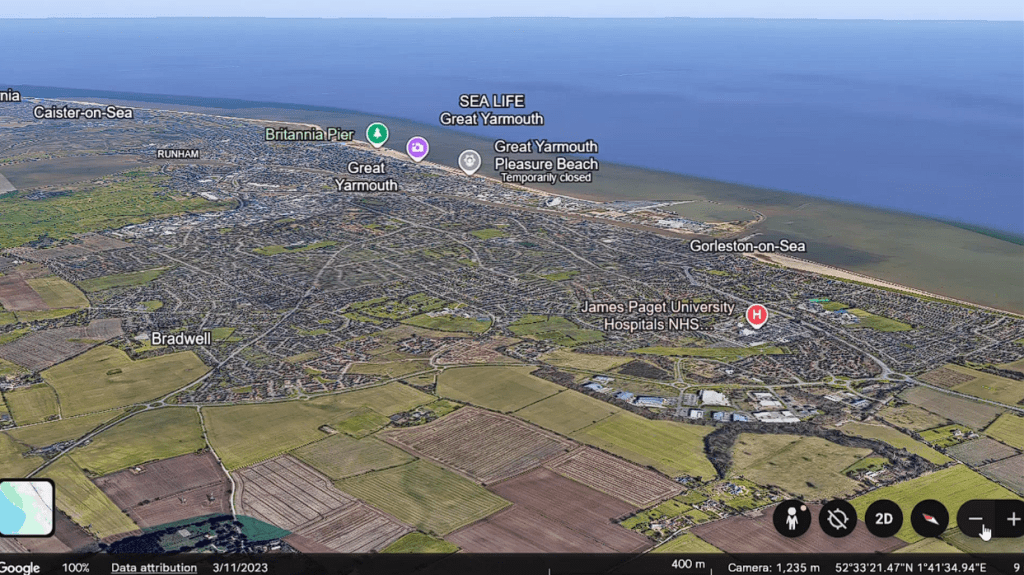
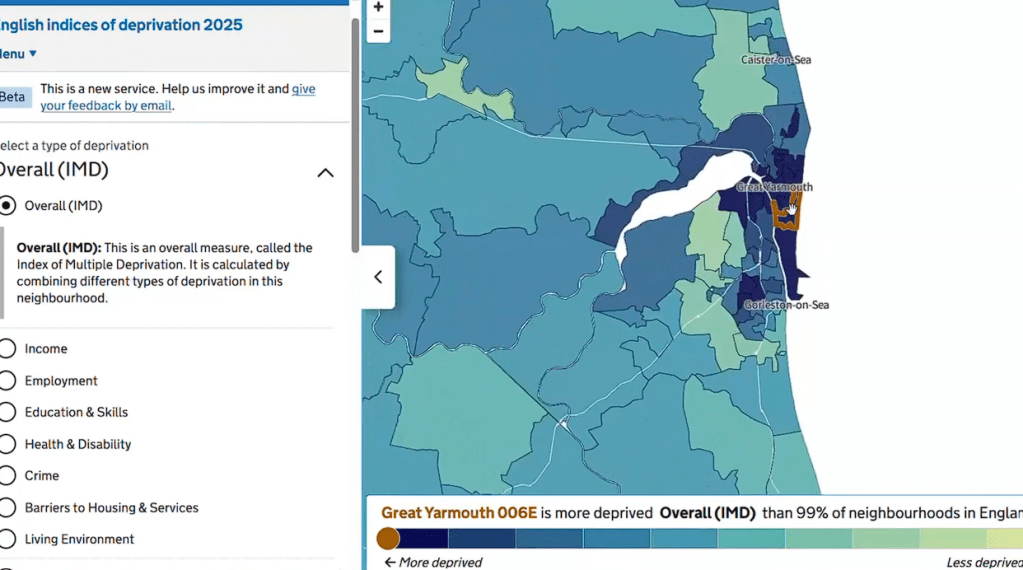
Sitting together over tea, we talked about how the college sits within this wider landscape. East Norfolk serves around 1,800 students aged 16–19, offering A Levels, T Levels, and applied qualifications. Because Great Yarmouth is geographically peripheral — the literal end of a railway line and major trunk roads — the college isn’t just an educational institution; it’s an anchor for a whole region of young people. It gives shape to futures that don’t rely on leaving home behind.
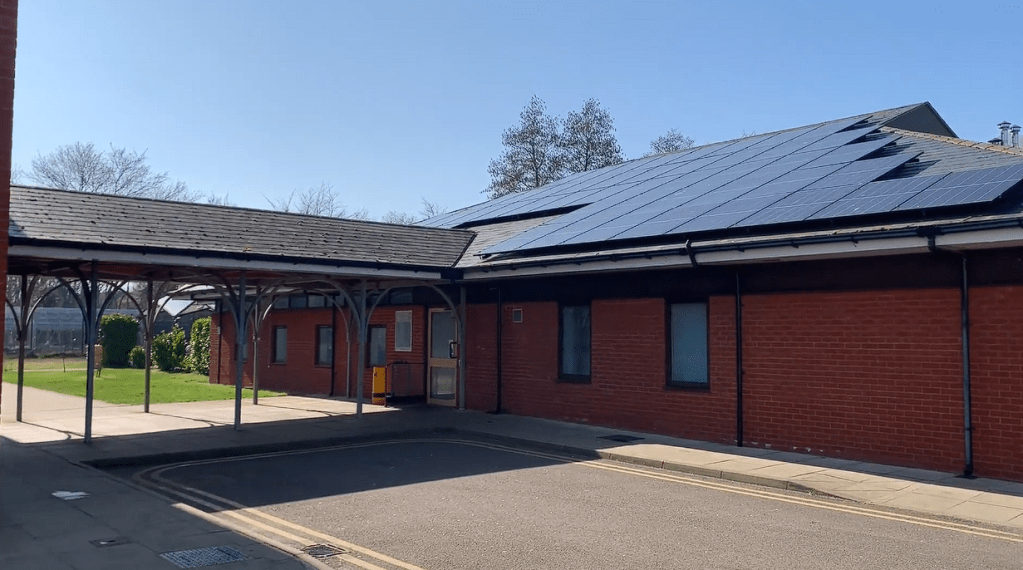
But the heart of our conversation was sustainability as a lived practice in a place where climate, economy, and community are tightly interwoven. One of the most striking things Catherine shared was how the college’s commitment to sustainability isn’t confined to solar panels or recycling bins. Those exist — and the solar installation has significantly reduced energy costs, allowing money to be reinvested directly into staff development and student opportunities — but EN treats sustainability as a cultural process, a mindset, a set of evolving habits.
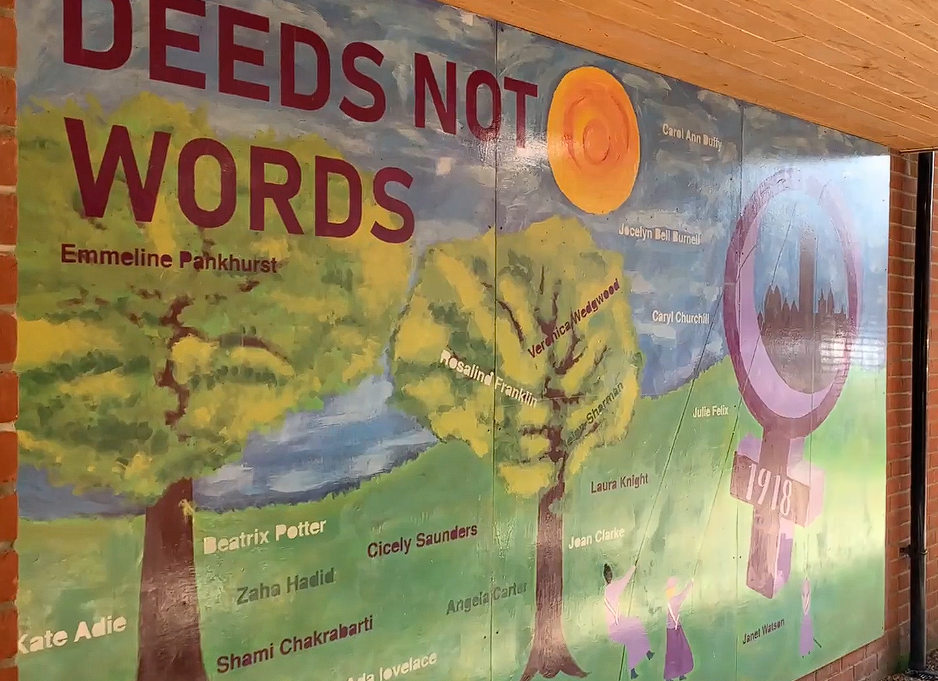
We talked about how the college has intentionally removed individual office and classroom bins. At first glance it might seem trivial, but it forces a pause — a moment to think about what you are throwing away, to walk to a central point and make a conscious choice. Catherine told me she doesn’t even have a bin in her office upstairs; she walks down to the corridor each time. It sounds small, but these small acts build new habits. They cultivate mindfulness in ways you don’t fully recognise until later.
That same intentionality appears in unexpected places, like the cafeteria’s decision to serve venison instead of beef. In Norfolk, deer populations have grown so large that they cause significant ecological damage. Using venison isn’t a fad — it’s a response tied directly to local environmental realities. It connected beautifully with examples I’ve encountered elsewhere, like trophic cascades in the Yellowstone ecosystem. Sustainability here isn’t theoretical; it’s something students encounter through everyday choices.
And then, of course, there is the water. The East of England is the driest region in the UK on average, and Great Yarmouth faces additional pressures from ageing Victorian drainage that can overflow directly into the sea during storms. Catherine’s involvement with Water Resources East means the college is thinking seriously about what comes next: grey‑water systems, sustainable drainage, and the design of a new building that aims to be as close to net zero as possible. There was something refreshing in hearing her talk about water with the same urgency that carbon often receives. It felt honest and geographically grounded — because coastal communities know the consequences of environmental change sooner and more sharply than most.
But perhaps the most ambitious part of EN’s sustainability vision is the desire to embed climate literacy across the entire curriculum — all 100+ subjects. Geography, environmental science, and geology already handle these themes confidently, but Catherine wants media students to think about data storage, IT students to understand energy systems, art students to consider waste, and historians to explore the environmental contexts of past events. It’s a huge undertaking, not something she can impose top‑down, but it is precisely the kind of systemic change our education system desperately needs.
Walking out of the college after our conversation, I felt a grounded kind of optimism. Not a glossed‑over, “everything will be fine” optimism, but the kind built from concrete work, clear intentions, and people who genuinely care about the community they serve. Catherine’s leadership reflects a belief that sustainability isn’t separate from education — it is education. It prepares young people to navigate a future shaped by global change and to see themselves as capable of shaping it in return.
Great Yarmouth may sit on the far eastern edge of the country, but places like this often become the testing grounds for new ways of living, new ways of organising communities, and new ways of thinking about the future. East Norfolk Sixth Form College is a reminder that sustainability isn’t just about buildings or technology — it’s about culture, belonging, curiosity, and pride. And in that sense, it’s hard not to agree with Dickens: there really is something “fine” about this place.

 Geogramblings