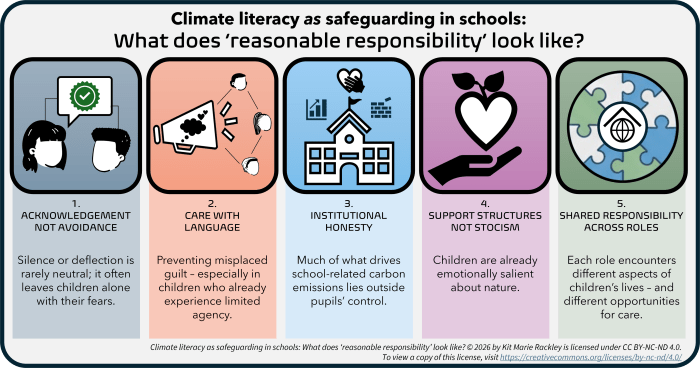
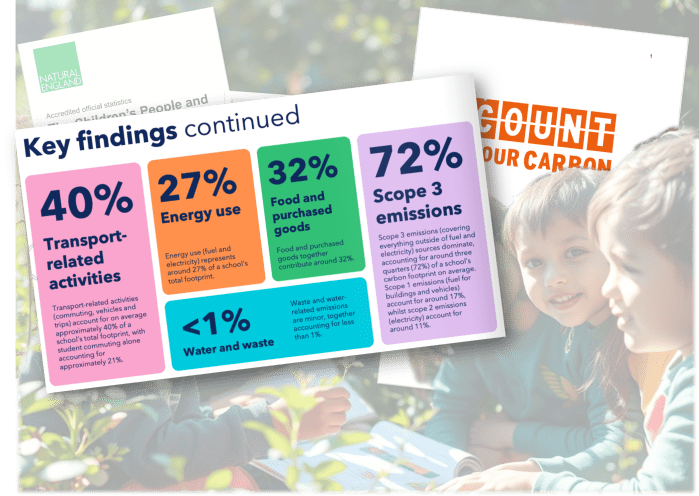
Part 3 of the "This Isn't Activism: It's a Duty of Care" series discusses the findings of the Count Your Carbon 2026 report, which analyses carbon emissions from over 1,600 schools in England. It reveals that structural decisions, such as transportation and food sourcing, significantly contribute to school emissions, often beyond childrenโs control. I emphasise that framing climate responsibility on students is misleading and may lead to emotional burdens, and so there is a need for institutional honesty and alignment of actions with the realities of carbon impact to support safeguarding rather than shifting blame onto young people.
Tag: nature
Children already know this matters: What Natural England’s Survey tells us about wellbeing, inequality, and care
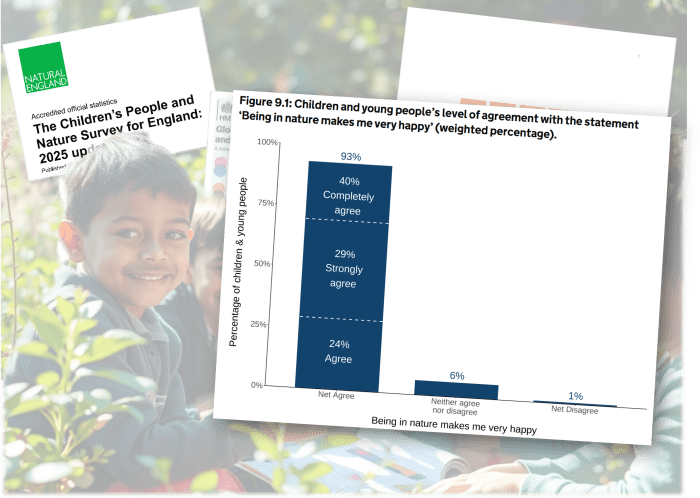
Part 2 of the "This Isn't Activism: It's a Duty of Care" series on climate education. I look at the importance of understanding children's experiences and relationships with nature as revealed in the Childrenโs People and Nature Survey for England, highlighting that most children feel happy in nature, but access to it is uneven, influenced by factors like income and ethnicity. Safeguarding frameworks need to account for these inequalities, as childrenโs emotional connections to nature exist before climate-related concerns. Educators should approach these topics with care, awareness, and honesty rather than avoidance or panic.
This isnโt activism, itโs duty of care: What three recent reports tell us about climate change, young people, and responsibility in education
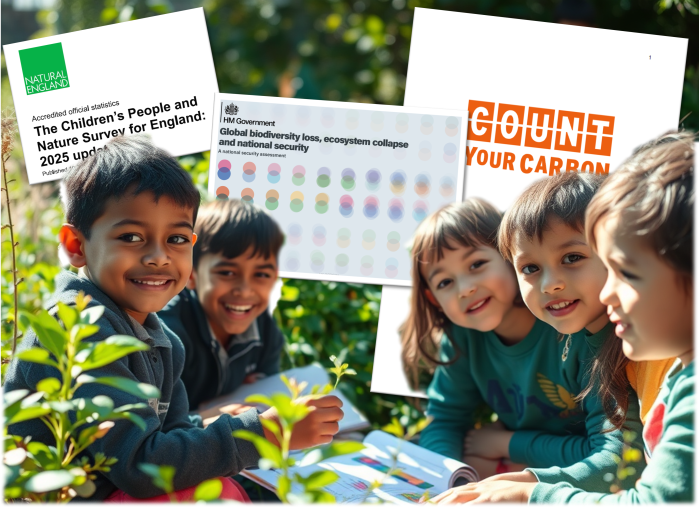
The start of a series of blog posts focusing on climate literacy and institutional responsibility, examining the complex issues children face. By analysing recent reports, the series aims to slow down the conversation and emphasise professional duties toward young people's wellbeing. It will challenge existing narratives and explore safeguarding implications.
Drake Primary School’s Climate Journey: A Success Story
Drake Primary shows how climate action and safeguarding can work hand-in-hand. From energy audits to outdoor learning and eco-anxiety support, their journey proves sustainability isnโt an add-onโitโs a mindset. Hereโs what schools can learn from their whole-school approach.
Coffee & Geography: Learning from everyday conversations (GAConf22 Session)
Started as a pandemic โcomfort projectโ but growing into something so much more, Coffee and Geography was a podcast where I simply chatted to people. These chats led to exploring connections and intersections through a geographical lens, but also helped to broaden my horizons, check my own privilege, and bring back some faith in humanity. Bring a brew and come and find out what Iโve learnt, which can be useful anecdotes and aids in the classroom, from these โeverydayโ conversations.
Give, don’t ‘give up’ time for yourself and nature
Not having to spend an entire weekend catching up on a week's work and trying to get ahead of the next week's, and, admittedly, being away from the family has given me the opportunity engage more in the community. It's a bit ironic, really, that stepping away from a job, where I'm a very visible … Continue reading Give, don’t ‘give up’ time for yourself and nature
Blue [Plastic] Planet II
Blue Planet II is awe-inspiring and a wake-up call. But, there are resources at hand.